If I Could Go Back to the First Day We Put a Shovel in the Ground
by Jazmin | Dec 9, 2025 | Our Farm |
If I Could Go Back to the First Day We Put a Shovel in the Ground
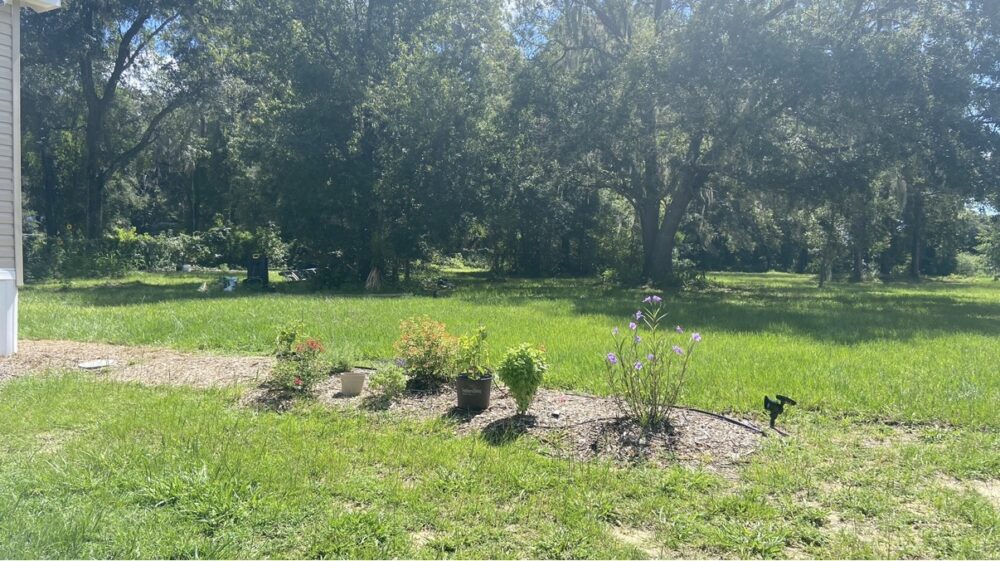
When we first moved here, I remember standing in the yard with a shovel in my hands, full of excitement and ideas.
I thought it would be simple.
That’s how it looks on TV, right?
A few digs, some fresh soil, plant the seeds — and voilà.
But our land told a different story.
The shovel barely went in.
It wasn’t just hard — it was dead hard.
Like the ground had forgotten how to breathe.
At the time, I didn’t understand why. I thought maybe we just needed stronger tools… or more force… or to work harder.
Looking back now, I would do things very differently.
Why This Matters (And Why We’re Sharing It)
If you’ve ever tried to plant flowers in your front yard and wondered why nothing thrives…
If you’ve given up after watching seedlings struggle…
If you’ve followed all the instructions and still felt like you failed…
This is for you.
Because the truth is, many of us were taught to treat soil like a surface — not a living system.
And for years, we did the same.
What We Used to Believe
We believed:
• Bugs were bad
• Weeds were enemies
• More products meant better results
• Tilling was necessary
• Chemicals were the solution
And honestly?
I used to think a bug is a bug.
I didn’t know there were “good” ones.
I didn’t know microbes mattered.
I didn’t know I was breaking the very system I was trying to grow from.
What Was Really Happening Underground
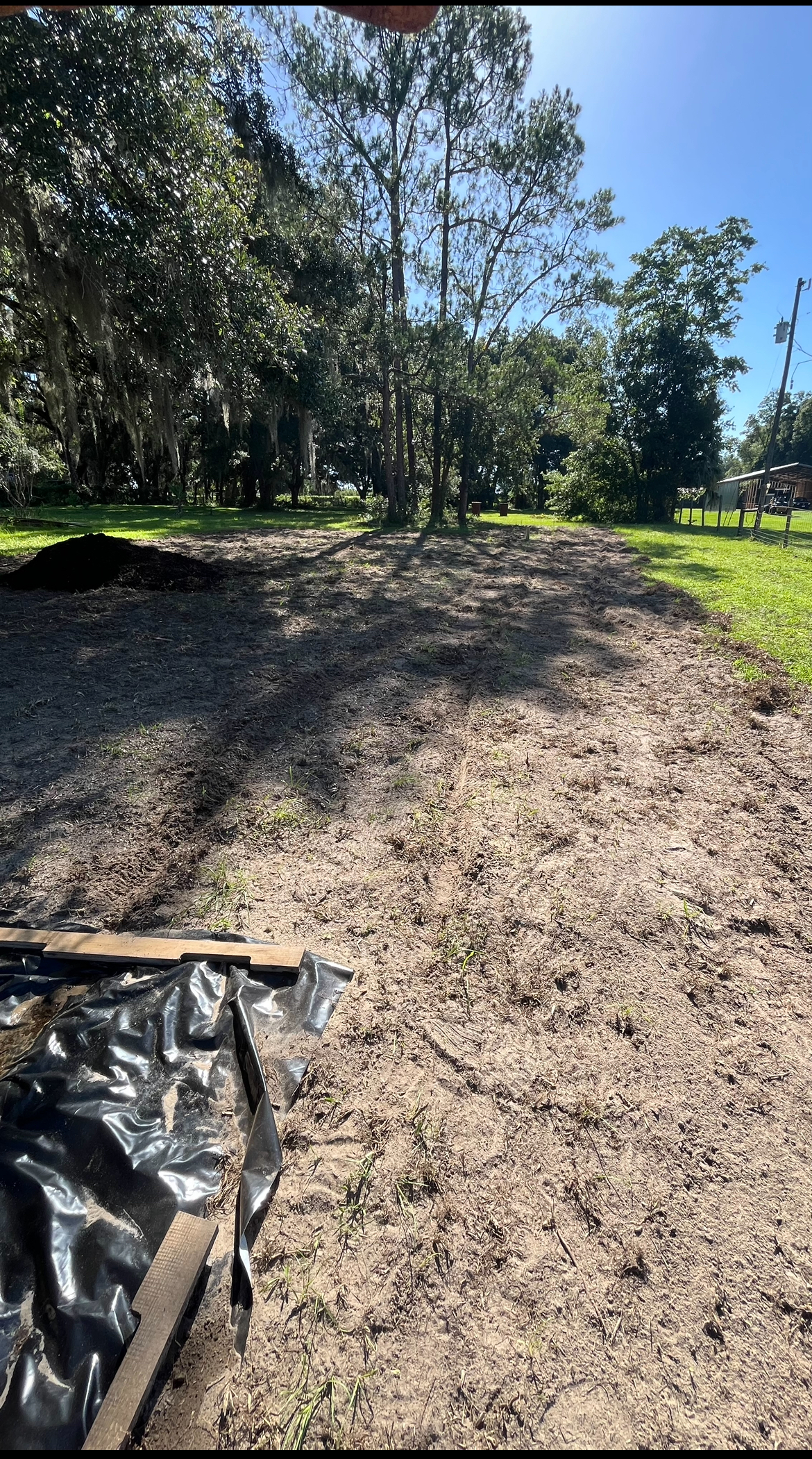
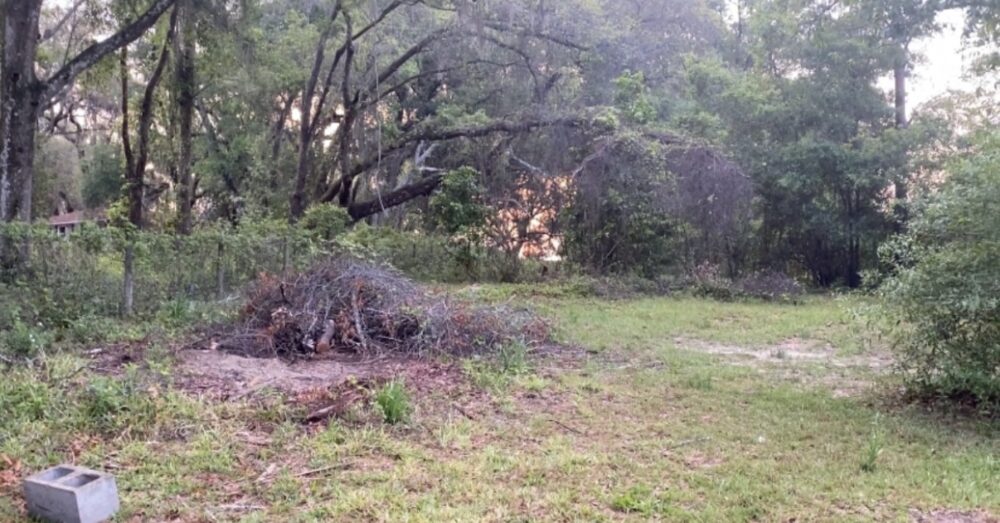
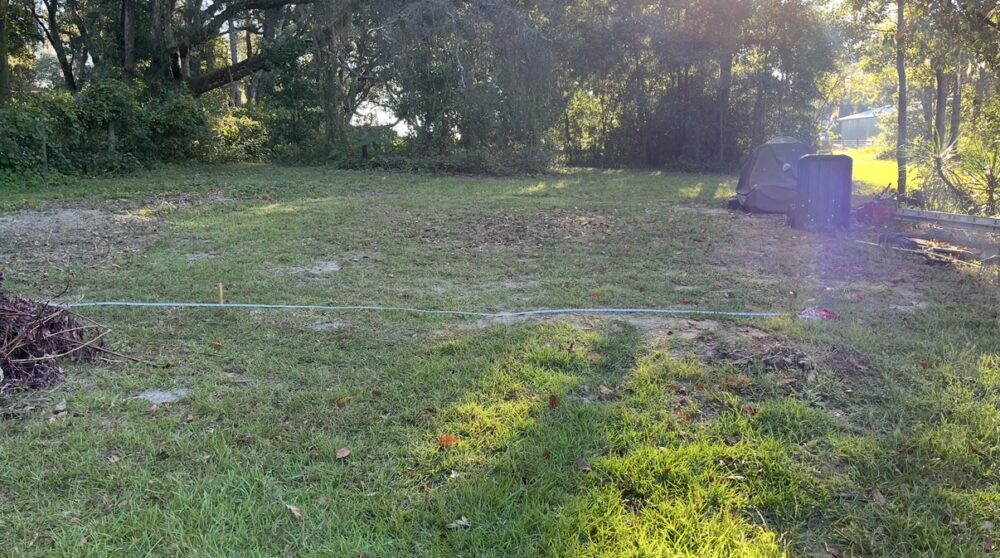
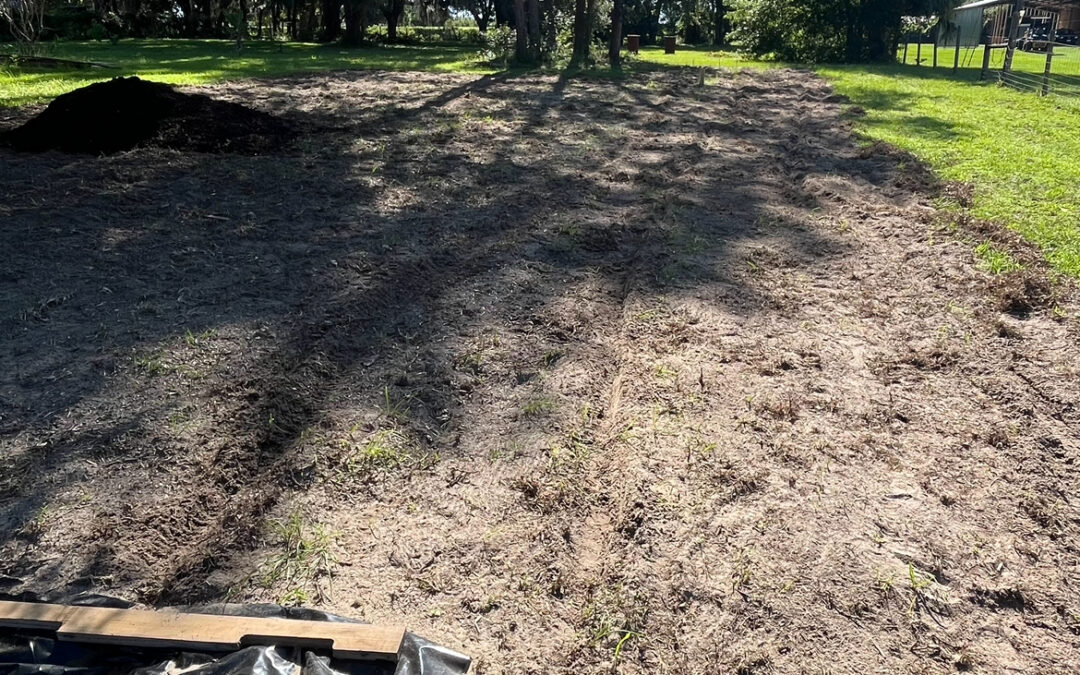
Our land had never been worked.
It was grass, weeds, compacted soil — untouched for years.
Underneath the surface:
• There were very few microbes
• No fungal networks
• Little organic matter
• No structure
• No life working together
So when we tried to dig, the soil resisted.
Not because it was stubborn — but because it was exhausted.
That dark, crumbly soil you see gardeners talk about?
That’s not dirt.
That’s life.
And we didn’t have it yet.
The Big Mistake We Made (And Many Still Do)
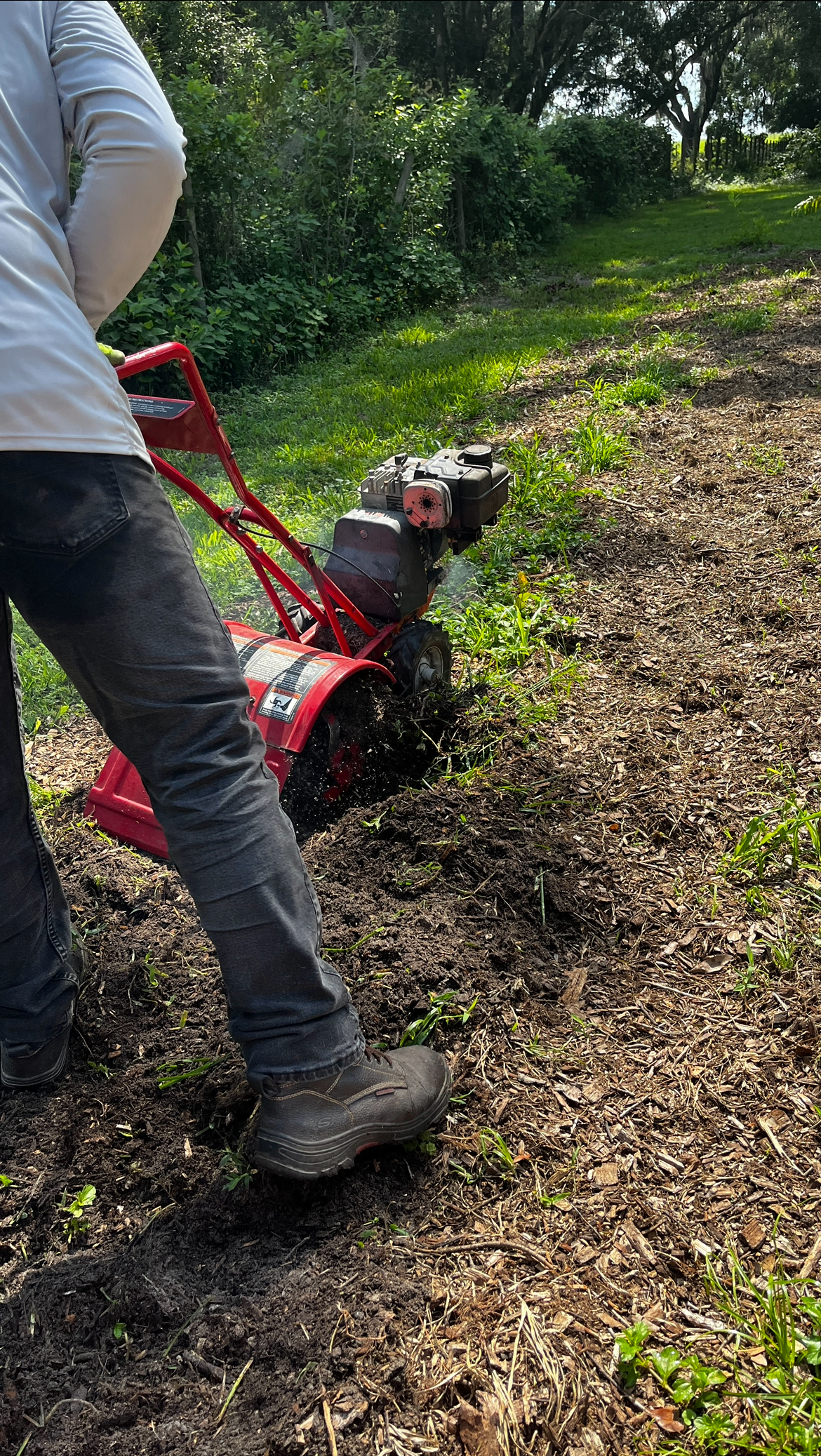
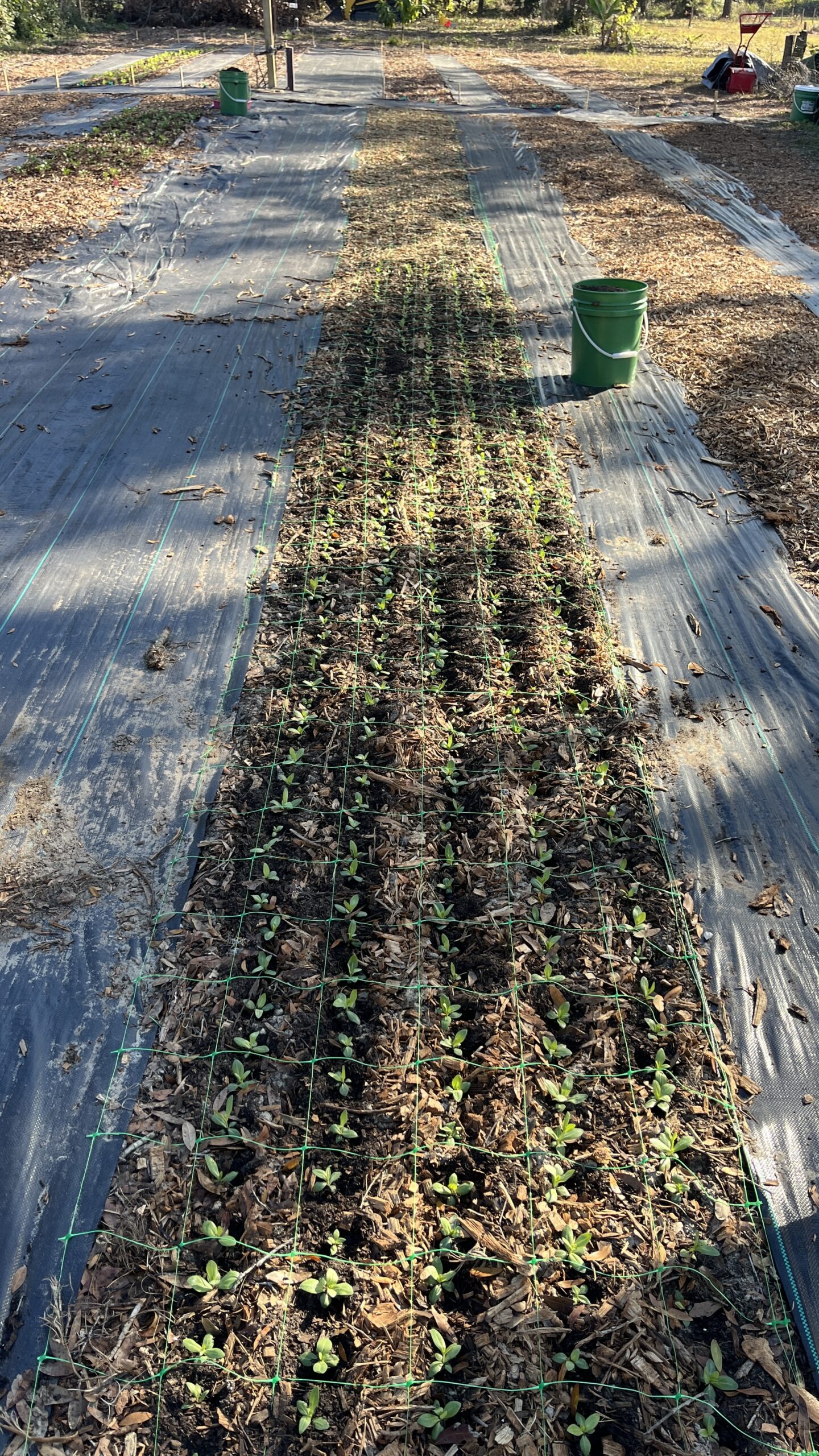
So we tilled.
And at first… it worked.
The soil loosened.
Seeds went in easier.
Things grew faster.
But every time heavy equipment passed over the land, every time we disturbed it deeply, we were unknowingly:
• Breaking fungal highways
• Killing beneficial bacteria
• Exposing microbes to sun and air
• Resetting the soil back to zero
Why Microbes Matter (More Than We Ever Realized)
Microbes are the quiet workers of the garden.
They:
• Feed plants nutrients they can’t access alone
• Protect roots from disease
• Create soil structure
• Hold moisture
• Build what growers call “black gold”
Healthy soil isn’t made by products.
It’s built slowly — by life working together underground.
Once we understood that, everything changed.
If I Could Start Over, Here’s What I’d Do Differently
-
Stop treating soil like dirt
It’s not a surface — it’s a living community.
-
Disturb less, observe more
Tilling feels productive, but patience builds resilience.
-
Feed the soil first, not the plant
Healthy plants are a result — not the starting point.
-
Accept that nature takes time
There are no shortcuts that don’t cost something later.
-
Learn before applying
Not every method works everywhere. Your land has its own language.
Why We Grow the Way We Do Now
Today, we focus on:
• Soil health
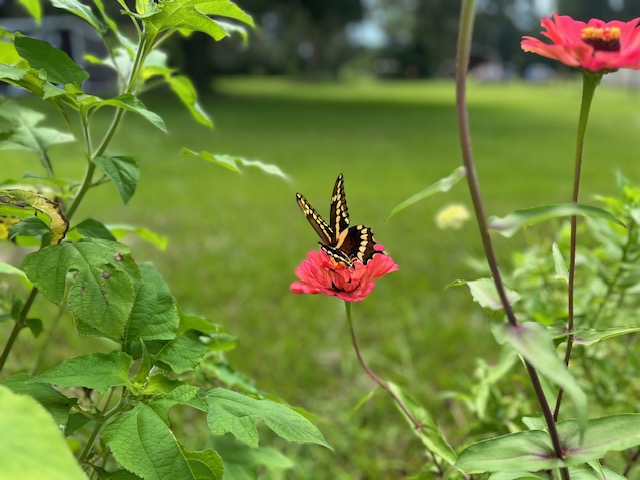
• Beneficial insects
• Microbial life
• Clean growing practices
• Working with nature, not against it
It’s slower.
It’s quieter.
It’s less flashy.
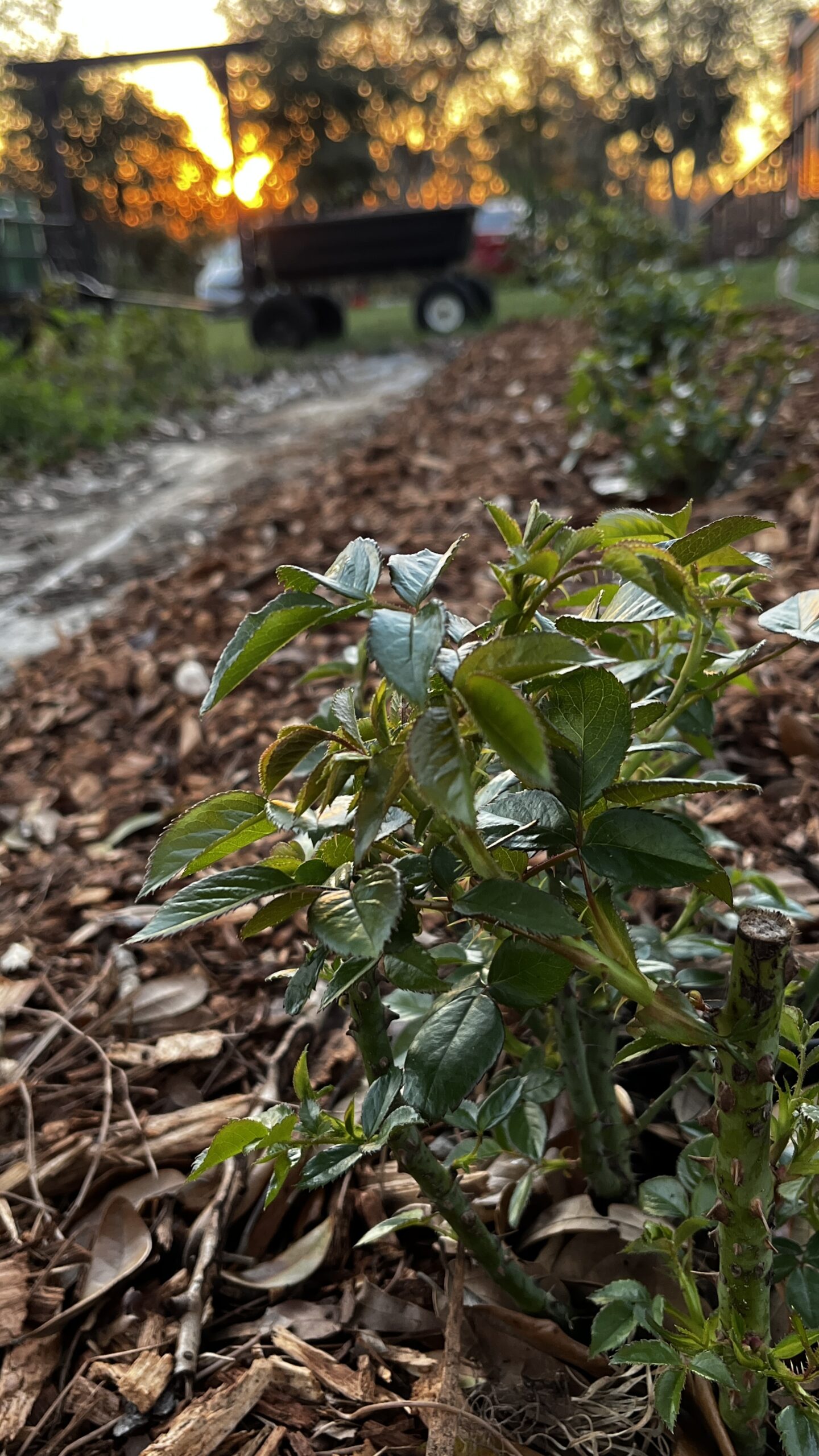
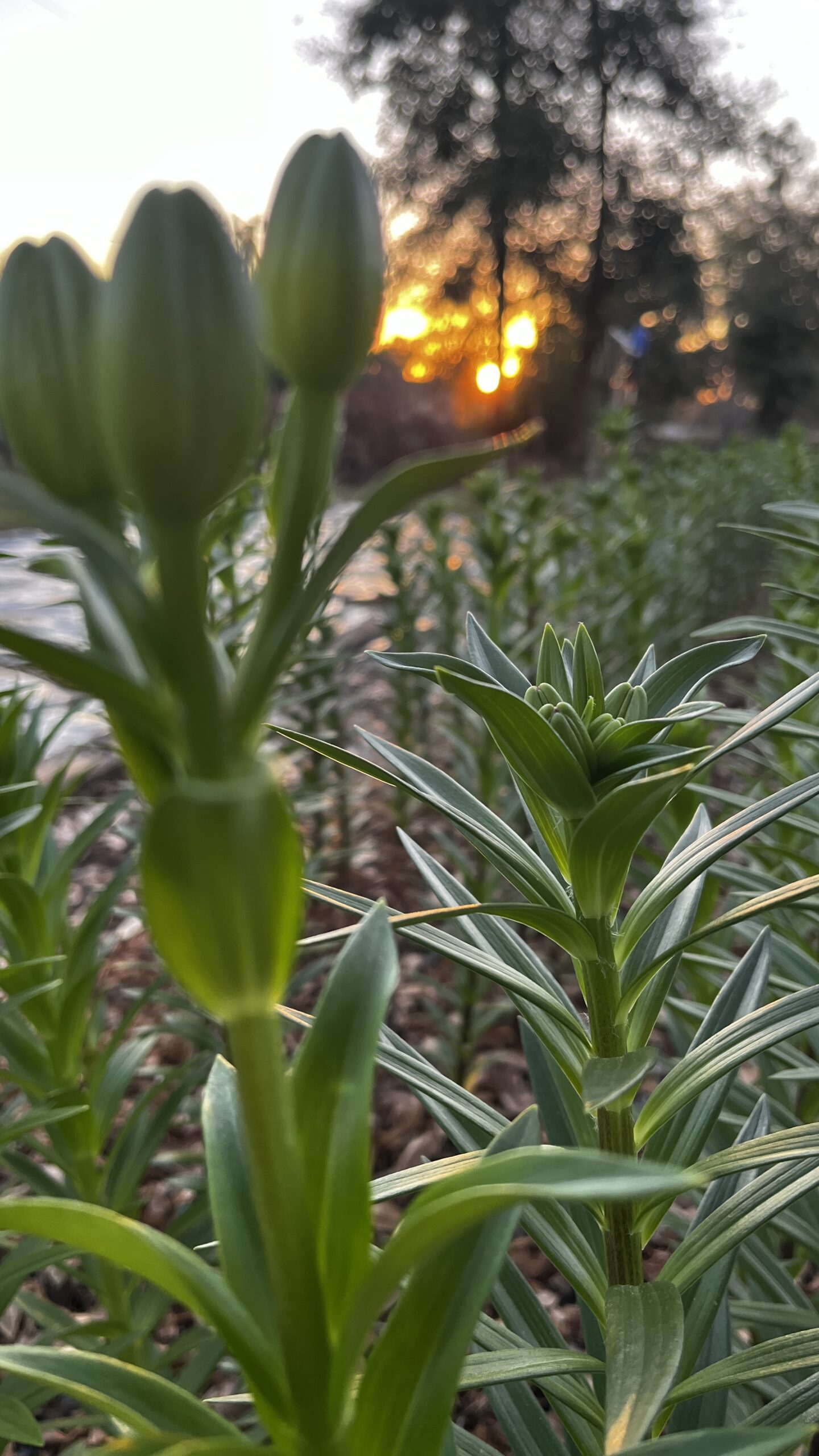
But the flowers tell us when we’re doing it right.
Why This Connects to You
Whether you’re growing a single pot of flowers or just love having blooms on your table…
What happens before a flower blooms matters.
The care.
The patience.
The unseen work.
And that’s what we want to share with you — not just flowers, but the story beneath them.
Because healthy soil doesn’t just grow better flowers…
It grows trust.